 by
by 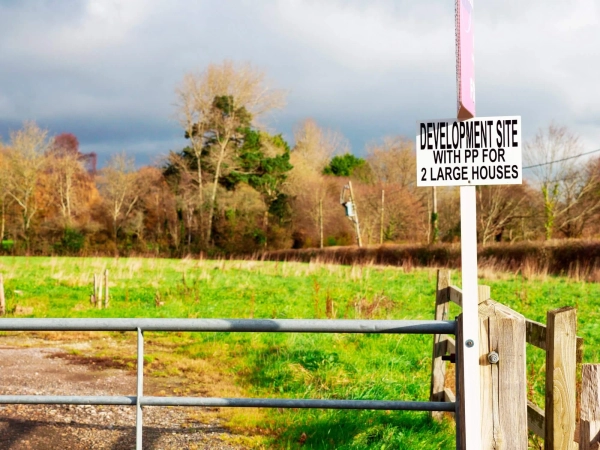
Wondering how long it takes to sell land? Every sale is different, but understanding the process and preparing properly can help you avoid unnecessary delays. This guide explains what affects the timescale and how to give your land the best chance of a successful sale.
Introduction
One of the first questions landowners ask after deciding to sell is:
“How long will it take to sell my land?”
The honest answer is that every sale is different.
Some parcels of land receive strong interest within days of being marketed, while others can take several months to find the right buyer. The timescale depends on factors such as the type of land, buyer demand, planning status, pricing and how well the property is presented.
Unlike residential property, land often appeals to a more specialist audience. Agricultural land, woodland, development sites and building plots all attract different buyers with different priorities.
Understanding what influences the sales process can help you set realistic expectations and avoid delays.
Tired of traditional agent fees?
YourLandStore charges 1% on successful sale only — no upfront costs, no site visits, no hidden charges.
List your land free today →Is There an Average Time to Sell Land?
There is no standard timescale.
As a general guide:
- Building plots with planning permission may attract offers relatively quickly.
- Agricultural land often depends on seasonal demand.
- Development sites can take longer because buyers carry out extensive due diligence.
- Strategic land may take longer to sell if buyers are investing for future planning opportunities.
- Woodland and recreational land often experience increased demand during spring and summer.
The right marketing strategy is often more important than simply waiting for the right buyer.
The Typical Land Selling Process
Although every transaction is different, most land sales follow a similar journey.
Step 1 – Preparing the Land
Before marketing begins it’s helpful to gather:
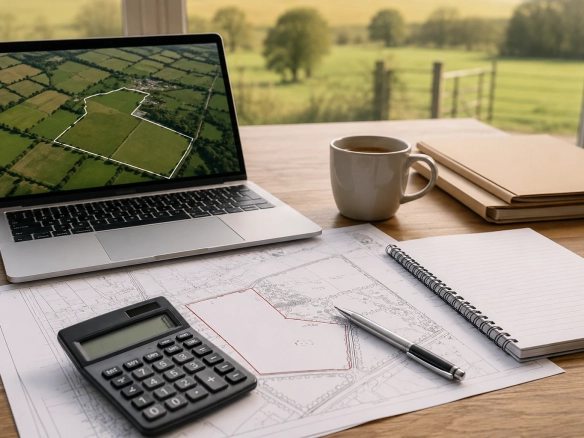
- Title documents
- Boundary plans
- Planning information
- Access details
- Professional photographs
- Drone imagery
Well-prepared listings generally create stronger buyer confidence.
Step 2 – Marketing Your Land
Professional marketing exposes your land to the widest possible audience.
This may include:
- Specialist land portals
- Property websites
- Social media
- Buyer databases
- Local and national marketing
The objective is not simply to generate enquiries but to attract the right enquiries.
Step 3 – Viewings and Buyer Enquiries
Interested buyers may request:
- Additional plans
- Planning history
- Access information
- Surveys
- Legal details
Providing information promptly helps maintain buyer confidence.
Looking to Sell Your Land?
At Your Landstore, we market land across the UK using professional photography, drone imagery and targeted online marketing to reach genuine buyers.
Our transparent 1% No Sale, No Fee service means you only pay when your land has successfully sold.
Whether you’re selling agricultural land, woodland, a building plot, development site or farm, we’re here to help guide you through the entire process.
Ready to get started?
List your land in minutes — or send us your details and we’ll create your listing for you.
Create your listing →Contact usStep 4 – Agreeing a Sale
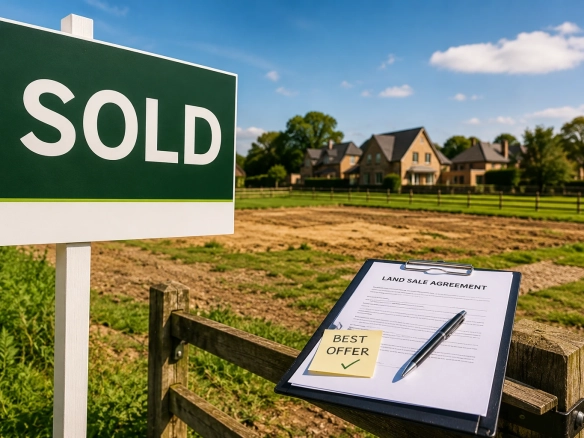
Once an offer has been accepted, solicitors begin the legal process.
Buyers may carry out:
- Title investigations
- Searches
- Planning enquiries
- Survey work
- Environmental checks
Responding quickly to requests helps reduce delays.
Step 5 – Exchange and Completion
After all legal enquiries have been satisfied, contracts are exchanged and a completion date is agreed.
Ownership then transfers to the buyer.
What Can Delay a Land Sale?
Common causes include:
- Unrealistic pricing
- Missing legal documents
- Access issues
- Boundary disputes
- Planning uncertainty
- Slow responses during conveyancing
- Limited marketing exposure
Many of these delays can be reduced through good preparation.
How to Sell Your Land More Quickly
Although no sale can be guaranteed within a fixed timeframe, several steps can improve your chances.
Present the Land Professionally
Professional photographs, drone images and accurate plans create a strong first impression.
Price the Land Realistically
Overpricing often reduces enquiries and can result in longer marketing periods.
Have Your Documents Ready
Preparing title documents, planning information and supporting paperwork early helps buyers proceed with confidence.
Market to the Right Audience
Different types of land appeal to different buyers.
Reaching farmers, developers, investors or private purchasers requires specialist marketing rather than relying solely on traditional estate agency methods.
Sell your land with YourLandStore
1% fee on successful sale only. No upfront costs. No site visits. UK-wide exposure on Zoopla and social media.
List your land →How it worksFinal Thoughts
Selling land isn’t simply about finding a buyer—it involves presenting your land well, marketing it effectively and providing buyers with the confidence to proceed.
Every parcel of land is different, but good preparation, realistic pricing and professional marketing can significantly improve both the speed of the sale and the outcome achieved.
If you’re considering selling your land, taking the time to prepare properly is one of the best investments you can make.
Frequently Asked Questions
How quickly can land sell?
Some parcels attract offers within a few weeks, while others take several months. The timescale depends on the land type, buyer demand and market conditions.
Does planning permission make land sell faster?
It can. Land with planning permission often appeals to a wider range of buyers, although demand also depends on location and the type of consent.
Can I speed up the legal process?
Having title documents, plans and planning information available before marketing begins often helps reduce delays after an offer has been accepted.
Does the time of year matter?
Seasonal demand can influence buyer activity, particularly for agricultural, woodland and recreational land. However, well-marketed land can sell successfully throughout the year.
Should I market my land before speaking to a solicitor?
Yes. Many sellers instruct a solicitor once a buyer has been found, although gathering your paperwork before marketing is highly recommended.