
 by
by 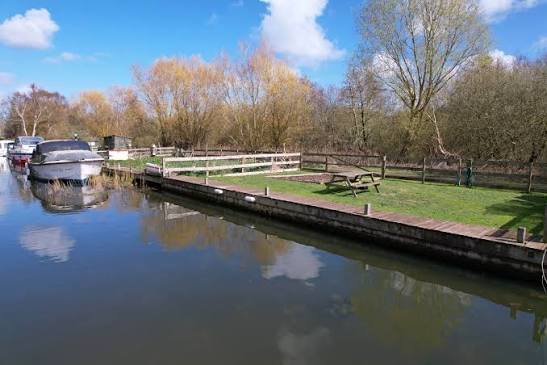
Looking for moorings for sale in the UK? Moorings can be found through specialist agents, property portals, boat and inland waterway networks, private sales and local contacts. Before buying, establish exactly what is being sold, the nature of the mooring rights, access, services, location, restrictions, costs and whether any residential or other use you have in mind is permitted.
Moorings for sale in the UK can range from a simple private mooring to a property with a permanent berth, waterside land, buildings or other facilities. The legal and practical arrangements can therefore vary considerably between opportunities.
If you are looking for a mooring for a narrowboat, canal boat, river boat or another vessel, start by deciding what you actually need and then check the rights and restrictions associated with each opportunity.
Where Can You Find Moorings for Sale in the UK?
Moorings are marketed in a number of different ways. Some are advertised as standalone moorings, while others form part of a waterside property or parcel of land.
Specialist Property and Land Agents
Specialist agents can market waterside properties, land with moorings and other rural or leisure opportunities.
If you are looking for a particular type of mooring, such as a residential mooring, private berth or mooring with land, it can be useful to make your requirements known to agents who deal with this type of property.
Property Portals
Online property websites can contain moorings and waterside properties, although the terminology used in listings can vary.
Useful search terms can include:
- Mooring for sale
- Moorings for sale
- Residential mooring
- Canal mooring
- River mooring
- Boat mooring
- Mooring with land
- Waterside property
- Canal-side land
Searching several related terms can help identify opportunities that might otherwise be missed.
Waterway and Local Networks
Local boating networks, marina operators, boat clubs and other people involved with inland waterways can sometimes be useful sources of information about moorings.
This can be particularly relevant where a berth becomes available privately rather than being widely advertised.
Private Sales
Some moorings may be sold privately, particularly where they are associated with land, a property or an existing boating arrangement.
If you want to buy in a particular area, making your requirements known locally can therefore be worthwhile.
What Type of Mooring Are You Looking For?
Before searching, decide what type of mooring you actually need.
For example, you might be looking for:
- A private leisure mooring
- A residential mooring
- A permanent berth
- A canal mooring
- A river mooring
- A marina berth
- A mooring with land
- A waterside property with a mooring
These arrangements can have very different rights, costs and restrictions, so defining your requirements before you search can save considerable time.
The important question is what rights and permissions are actually included with the particular opportunity. Establish the legal and practical arrangements before committing to a purchase.
What Should You Check When Buying a Mooring?
A mooring can look straightforward from a listing, but there are several issues that should be investigated before buying.
1. What Exactly Are You Buying?
Establish whether you are buying land, a berth, a licence, a leasehold interest, a freehold interest or another form of right or interest.
The description used in marketing material does not necessarily tell you the full legal position.
Make sure you understand precisely what is included in the purchase.
2. Check the Mooring Rights
Find out what rights come with the mooring and who grants or controls those rights.
Depending on the circumstances, there may be conditions relating to:
- The type or size of vessel
- How long the vessel can remain
- Residential occupation
- Subletting or transfer
- Access
- Maintenance
- Use of adjoining land
These matters should be established before you buy rather than assumed from the sales description.
3. Check Access
Consider how you will reach the mooring from the road and whether that access is legally established.
Think about access for:
- Yourself and visitors
- Vehicles
- Deliveries
- Maintenance equipment
- Emergency access
A waterside location can appear convenient while having limited practical access from the public highway.
4. Check Parking
If parking is important to you, establish where your vehicle can be kept and whether the parking forms part of the rights associated with the mooring.
Do not assume that nearby land or a parking area can be used simply because other boat owners appear to use it.
5. Check Water and Utilities
Establish what services are available at the mooring.
Depending on the location, you may need to consider:
- Electricity
- Water
- Waste disposal
- Drainage
- Internet or communications
- Fuel arrangements
If the mooring does not have mains services, understand what alternatives are available and what they will cost to install or maintain.
6. Check the Condition of the Mooring
Inspect the physical condition of the mooring and its surroundings.
Depending on the type of mooring, this may include checking:
- Bank condition
- Quayside or landing area
- Access paths
- Fencing
- Structures
- Drainage
- Signs of erosion
If work is required, establish who is responsible and obtain realistic estimates of the likely cost.
Can You Live on a Boat at a Mooring?
Do not assume that buying a mooring automatically gives you the right to use a boat as a permanent residence.
Residential use can involve separate planning, legal and mooring considerations depending on the particular site and arrangement.
If living aboard is an essential part of your plans, establish the residential status of the mooring before buying.
This is one of the most important distinctions to make when searching for a mooring.
What Is a Residential Mooring?
A residential mooring is generally intended to accommodate a boat that is used as a person’s home, subject to the specific legal and planning circumstances of the mooring.
However, the terminology used in listings should not be treated as sufficient evidence of your right to live aboard.
Before buying, establish:
- Whether residential occupation is permitted
- Who grants the relevant rights
- Whether planning permission is involved
- Whether there are occupancy conditions
- Whether the arrangement can be transferred
- What fees and charges apply
Can You Buy Mooring Land?
Some opportunities may include actual land alongside or around a waterway as well as a mooring.
This can be attractive if you want additional private outdoor space, storage or another use associated with the boat.
However, the land and mooring rights should be treated as separate matters during your due diligence.
Check exactly which land is included, how it can be accessed and what restrictions affect its use.
Can You Build on Mooring Land?
Owning land next to a waterway does not automatically give you the right to build on it.
If you are considering a cabin, storage building, workshop, residential structure or other development, investigate the planning position before buying.
Waterways and waterside land can also be subject to environmental, flood-risk and other constraints that need to be considered.
What About Flood Risk?
Flooding is an important consideration when buying waterside land.
Look at the physical relationship between the mooring, bank and surrounding land and consider how the site may perform during periods of high water.
If you are buying land or a structure close to a watercourse, appropriate flood and property due diligence should form part of the purchase process.
Check the Surrounding Area
The surroundings can make a significant difference to the enjoyment and practicality of a mooring.
Consider:
- Nearby roads
- Noise
- Neighbouring properties
- Industrial or commercial uses
- Public access
- Nearby marinas
- Services and facilities
- Security
If you intend to live aboard or use the mooring regularly, consider how convenient the location is for shops, transport and other services you require.
What Are the Costs of Owning a Mooring?
The purchase price is not necessarily the only cost involved.
Depending on the arrangement, ongoing costs can include:
- Mooring fees
- Service charges
- Utilities
- Access maintenance
- Bank or quay maintenance
- Insurance
- Waste and water services
- Repairs and improvements
Establish all recurring charges before comparing the purchase price of different moorings.
How Much Do Moorings Cost?
There is no single price for moorings in the UK.
Values can vary considerably according to:
- Location
- Type of waterway
- Length and type of berth
- Residential status
- Rights included
- Access
- Services
- Parking
- Whether land is included
- Existing structures and facilities
- Ongoing fees
Two moorings with similar physical dimensions can therefore have very different values depending on the rights and facilities associated with them.
How to Compare Moorings for Sale
When comparing opportunities, look beyond the asking price.
Understand exactly what mooring, access and occupation rights are included.
Consider the waterway, surroundings, services and convenience.
Check both physical and legal access to the mooring and any associated land.
Compare water, electricity, waste arrangements and other facilities.
If land is included, establish its size, boundaries and permitted uses.
Compare service charges, mooring fees, maintenance and other recurring costs.
What Should You Ask Before Buying a Mooring?
Before making an offer, make sure you understand the answers to the key practical and legal questions.
- What exactly is being sold?
- What mooring rights are included?
- Is the mooring permanent or subject to a separate agreement?
- Is residential use permitted?
- Who owns the land?
- Who controls or grants the mooring rights?
- What access rights are included?
- Is parking included?
- What services are available?
- What ongoing fees apply?
- Who is responsible for maintenance?
- Are there restrictions on the boat or its use?
- Are there planning or environmental constraints?
Should You View a Mooring Before Buying?
Yes. A physical viewing can reveal issues that are difficult to identify from photographs.
Look at:
- The approach and access
- The mooring itself
- The bank or landing area
- Parking
- Available services
- Surrounding properties
- Noise and privacy
- Condition of any structures
- Potential flood or drainage issues
If possible, consider the location at different times of day so that you get a realistic impression of the surroundings.
Buying a Mooring for a Narrowboat
If you own or intend to buy a narrowboat, check that the mooring is suitable for the dimensions and characteristics of your vessel.
Consider the length and beam of the boat, access to the berth, turning arrangements where relevant and the facilities available nearby.
Also establish whether the mooring agreement contains restrictions on the type or size of boat that can use it.
Buying a Mooring for Residential Use
If you intend to live aboard, residential status should be one of the first things you investigate.
Do not assume that a convenient waterside location or an existing boat automatically means that permanent residential occupation is permitted.
Check the planning, legal and contractual position before making a purchase decision.
What If You Cannot Find the Right Mooring?
Moorings can be particularly location-specific, and the right opportunity may not be available when you begin searching.
If you know the waterway, location, type of mooring, boat requirements and budget you are looking for, it can be useful to make your requirements known to specialist agents and local contacts.
At Your Landstore, you can also tell us what land you’re looking for.
You can specify your preferred location and land requirements so your search is recorded in our buyer database. Where there is a suitable match, you can receive an email alert from the day the land is listed, giving you the opportunity to consider it early.
Other Types of Specialist Land
If you are looking for a mooring or waterside property, you may also want to explore other rural and specialist land opportunities.
Frequently Asked Questions
Where can I find moorings for sale in the UK?
Moorings can be found through specialist agents, property portals, boating and waterway networks, private sales and local contacts. Searching for residential moorings, canal moorings, river moorings and mooring land can also help.
What should I check when buying a mooring?
Check exactly what is being sold, the mooring rights, access, parking, services, restrictions, residential status where relevant, planning position and ongoing costs.
Can I live on a boat at any mooring?
No. Residential use depends on the specific planning, legal and contractual circumstances of the mooring. If living aboard is important, establish the residential status before buying.
Can I buy land with a mooring?
Some opportunities include land alongside or around the water as well as a mooring. Check exactly what land is included, its boundaries, access rights and restrictions.
Can I build on mooring land?
Not automatically. Any proposed building or change of use may require planning permission and can also be affected by environmental, flood-risk or other constraints.
Can I register my requirements for a mooring?
Yes. You can register your land requirements with Your Landstore, including your preferred location and requirements. Where there is a suitable match, you can receive an email alert when relevant land is listed.
Looking for a Mooring?
Tell us where you want to buy, what type of mooring you need and the requirements that matter to you.
TELL US WHAT LAND YOU’RE LOOKING FOR →Free to register · Takes about 2 minutes · No obligation


