by
by 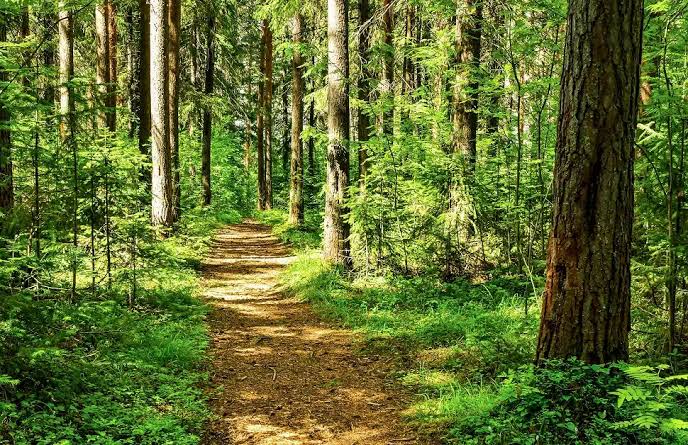
Looking for woodland for sale? Woodland can appeal to buyers for many different reasons, from recreation and conservation to timber, amenity, investment or simply owning a private area of woodland.
However, buying woodland is different from buying a conventional property. The location, access, condition of the trees, ownership responsibilities, rights, restrictions and intended use all need to be considered before you commit to a purchase.
Where can I find woodland for sale?
Woodland for sale can be found through specialist woodland and forestry agents, land agents, rural property agents, online land portals, auction platforms and direct sales by landowners.
If you have specific requirements, you can also register your search with Your Landstore. Tell us where you want to buy, the size and type of land you are looking for, your budget and other requirements, and we can consider those requirements when suitable land comes to market.
What is woodland?
Woodland is land predominantly covered by trees, but individual woodland properties can vary considerably.
A woodland for sale might be a small area of mature trees, a larger commercial forestry holding, newly planted woodland or a parcel containing a mixture of woodland and open ground.
The character and management requirements of each woodland can therefore be very different.
Why are buyers looking for woodland?
People buy woodland for a wide range of reasons, including:
- Recreation and enjoyment
- Conservation and biodiversity
- Timber production
- Investment
- Creating or managing a private woodland
- Nature and wildlife interests
- Carbon and woodland creation projects
- Amenity use
Your reason for buying the woodland will determine which characteristics matter most.
Where should I search for woodland?
Specialist woodland and forestry agents
Specialist forestry and woodland agents can be particularly useful when you are looking for a woodland with commercial timber, forestry or management considerations.
They may also have access to woodland opportunities that are not marketed through mainstream residential property portals.
Specialist land agents
Land agents can market woodland alongside agricultural, amenity and other rural land.
This can be useful if you are flexible about the precise type of land you want to buy.
Online property and land portals
Online portals provide a convenient way to search for woodland across different parts of the UK.
Search terminology can vary. Listings may refer to woodland, forestry, woodland plantation, amenity woodland or land with woodland, so using related terms can help broaden your search.
Auctions
Woodland is sometimes sold through auction, including smaller parcels.
As with any auction purchase, review the legal pack and investigate the title, access, rights, restrictions and any other relevant matters before bidding.
Direct opportunities
Some woodland owners may consider selling land directly or through local networks.
If you have a specific geographical or acreage requirement, registering your search with a land agency can provide another route to potential opportunities.
What should I check before buying woodland?
Woodland ownership comes with practical and legal considerations that can be easy to overlook when concentrating on the trees themselves.
1. Access
Check how the woodland is accessed and whether you have the legal rights required to use the access route.
Consider how you will reach the woodland for your intended use and whether vehicles, machinery or contractors will need access.
A woodland can look accessible on a map while having limited practical or legal access.
2. Title and ownership
Establish exactly what land is included in the sale.
Review the title, boundaries, rights of way, easements and other legal matters affecting the woodland.
Also check whether there are rights or interests affecting timber, sporting activities, access or other uses.
3. The condition and age of the trees
Look at the woodland itself rather than simply its acreage.
The species, age, condition, density and management history of the trees can all be relevant.
If timber production is important to you, professional forestry advice may be appropriate so that the woodland’s condition and potential can be properly assessed.
4. Woodland management
Consider how the woodland is currently managed and what responsibilities you would take on as the owner.
Depending on the woodland, this could include tree management, access maintenance, boundary work, pest or disease issues and other ongoing responsibilities.
5. Planning and restrictions
Do not assume that owning woodland gives you an unrestricted right to construct buildings or change its use.
If you want to build a cabin, storage building, access track or other structure, or introduce another use, investigate the relevant planning position and any other restrictions before purchase.
6. Tree protection
Check whether any tree preservation orders, conservation area controls or other designations affect the woodland.
There may also be environmental or ecological considerations that affect how the woodland can be managed.
7. Rights and covenants
Review the legal documents for covenants, rights, easements and restrictions.
These may affect activities such as access, timber extraction, sporting use or development.
8. Boundaries
Check the legal boundaries against what you see on the ground.
Woodland boundaries can sometimes be less obvious than boundaries around residential properties, particularly where trees, banks or natural features form the boundary.
Can I build a cabin in woodland?
Not automatically.
The fact that you own woodland does not itself give you an automatic right to construct a cabin or other building.
Whether a particular structure or use requires planning permission depends on the circumstances, including the nature of the proposed development and its use.
If a cabin, building or other structure is an important part of your plans, investigate the planning position before buying the woodland rather than assuming that permission will be available.
Can I use woodland for recreation?
Potential recreational uses depend on the individual woodland and the nature of the activity.
Walking, wildlife observation and enjoying the woodland are very different from introducing buildings, organised activities, commercial recreation or other intensive uses.
If you intend to introduce a particular recreational use, establish whether planning permission, licences or other consents may be required.
Can I make money from woodland?
Some woodland can have commercial value through timber, forestry or other activities, but income should not be assumed simply because a property contains trees.
The commercial potential depends on factors such as species, age, timber quality, accessibility, management and market conditions.
If commercial forestry is important to your decision, specialist forestry advice can help you understand the individual woodland.
How much does woodland cost?
There is no single UK price for woodland.
Value can vary according to location, size, tree species, age, accessibility, timber potential, amenity value, planning considerations and local demand.
A small accessible woodland close to a population centre can have a very different value from a much larger remote forestry holding.
As a result, comparing woodland purely by price per acre may not provide a reliable indication of whether a particular opportunity represents good value for your intended use.
Look at the woodland, not just the acreage
Two woodlands of the same size can have very different characteristics and values. Consider access, trees, management, restrictions, location and your intended use alongside the asking price.
How much woodland do I need?
There is no minimum acreage that applies to every woodland buyer.
A small parcel may be perfectly suitable for someone looking for a private woodland or recreational space, while a commercial forestry buyer may need a much larger holding.
Start by deciding what you want the woodland to achieve and then establish the size and characteristics needed to achieve it.
How to compare woodland for sale
When comparing different woodland opportunities, consider the whole property rather than simply its size and price.
- Location: is it in the area where you want to buy?
- Size: is there enough land for your intended use?
- Access: can you legally and practically reach it?
- Trees: what species, age and condition are present?
- Management: what work is likely to be required?
- Planning: are there restrictions affecting your intended use?
- Rights: are there third-party rights or covenants?
- Boundaries: are the boundaries clear and properly defined?
- Budget: what ongoing ownership and management costs should you allow for?
How to make your woodland search more specific
If you are actively looking for woodland, define the requirements that are most important to you before beginning your search.
- Location: the counties, towns or areas you are prepared to consider
- Size: your minimum and maximum acreage
- Budget: your maximum purchase price
- Purpose: recreation, conservation, timber, investment or another use
- Access: your vehicle and practical access requirements
- Tree type: whether particular species or woodland characteristics matter
- Planning: whether you require any existing permissions
- Buildings: whether existing structures are required
Clear requirements can make it easier to identify woodland that is genuinely suitable rather than simply finding the cheapest or largest parcel available.
Can Your Landstore help me find woodland?
Yes. If you are looking for woodland for sale, you can register your requirements with Your Landstore for free.
Tell us where you want to buy, the size and type of land you are looking for, your budget and any other requirements that matter to you.
We can then consider your requirements when suitable land comes to market through Your Landstore. Where there is a suitable match, you can receive an email alert from the day the relevant land is listed.
Looking for woodland?
Tell us what you’re looking for and where you want to buy, and we’ll use your requirements when considering suitable land opportunities.
TELL US WHAT YOU’RE LOOKING FOR →Frequently asked questions
Where can I find woodland for sale in the UK?
Woodland can be found through specialist forestry and woodland agents, land agents, rural property specialists, online land portals, auctions and direct landowner sales. You can also register your requirements with Your Landstore.
How much does woodland cost?
Woodland prices vary according to location, size, tree species, age, access, timber potential, amenity value and other characteristics. There is no single UK price per acre.
Can I build a cabin in woodland?
Not automatically. Planning requirements and other restrictions depend on the proposed building and use, so the position should be investigated before buying if a cabin is important to your plans.
Can I cut down trees on woodland I own?
Tree felling can be subject to legal controls and restrictions depending on the woodland and the circumstances. Check the relevant requirements before carrying out significant tree work.
Is woodland a good investment?
Woodland can have timber, amenity, conservation or other potential value, but individual properties differ considerably. Consider the specific woodland, its management requirements, restrictions and your investment objectives before buying.
Can I register a search for woodland with Your Landstore?
Yes. Buyer registration is free. You can provide your preferred location, land type, size, budget and other requirements so your search can be considered against suitable land opportunities.