by
by 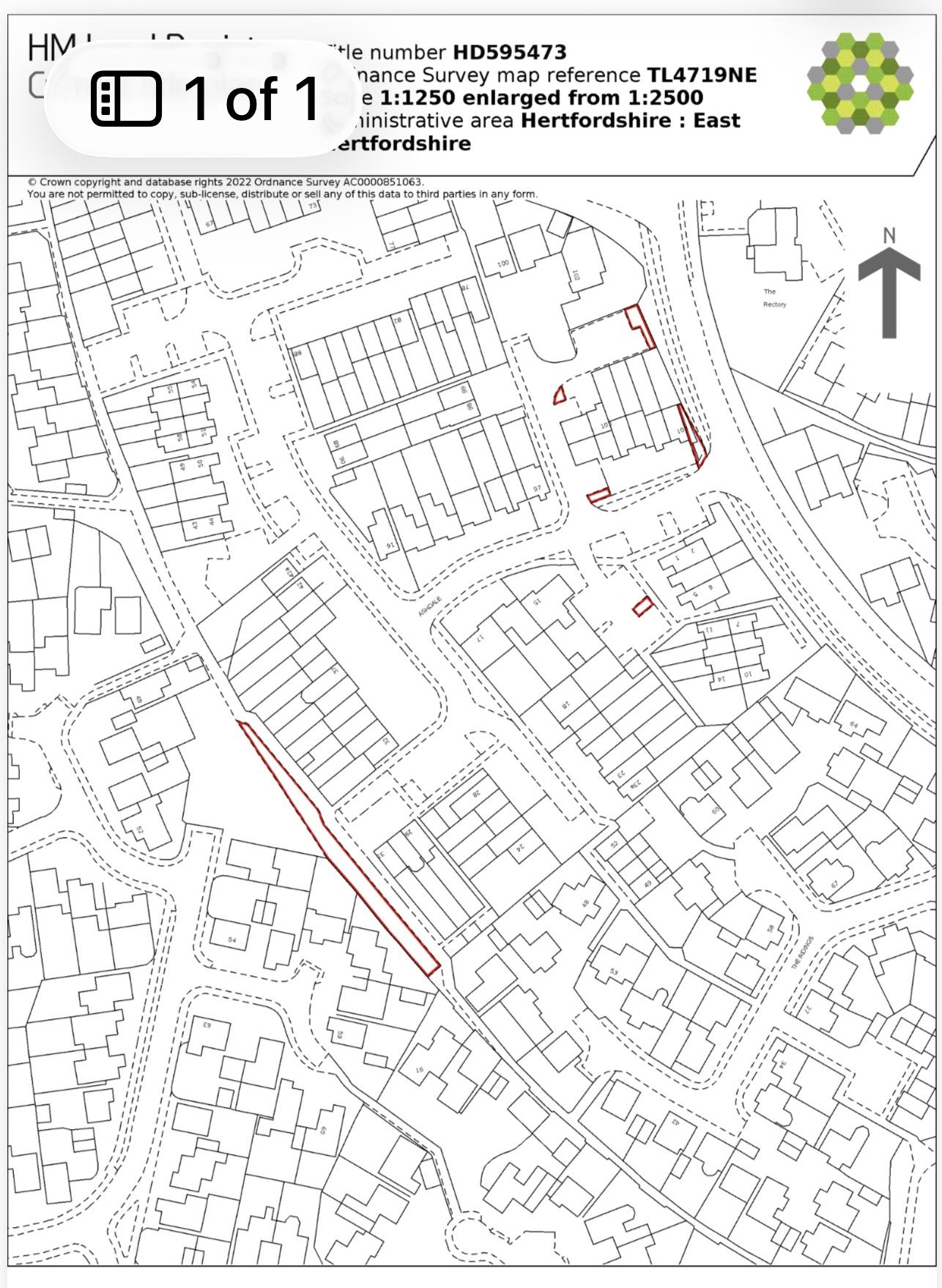
Looking for cheap land for sale? Lower-priced land can sometimes provide an opportunity to buy a small parcel, agricultural land, woodland, amenity land or a site with future potential without paying the price of a conventional development plot.
However, cheap land is not necessarily a bargain. A low asking price can reflect restrictions on use, poor access, lack of services, limited planning prospects, difficult ground conditions or other factors that affect the land’s usefulness.
Where can I find cheap land for sale?
Cheap land for sale can be found through specialist land agents, online property and land portals, auctions, local agents and direct sales by landowners. Smaller parcels of agricultural, amenity, woodland and other types of land can sometimes be available at relatively low purchase prices.
If you have a specific requirement, you can also register your search with Your Landstore. Tell us where you want to buy, what type of land you need, your preferred size and your budget, and we can consider those requirements when suitable land comes to market.
Why is some land cheap?
There are many reasons why one parcel of land can be significantly cheaper than another.
The most important distinction is often what you can actually do with the land.
A small parcel without development potential may have a relatively low market value, while a similarly sized site with residential planning permission could be worth considerably more.
Factors that can contribute to a lower price include:
- Limited permitted uses
- No planning permission
- Poor or restricted access
- No mains services
- Remote location
- Small or awkward site configuration
- Restrictions or covenants
- Flooding or drainage issues
- Ground-condition problems
- Limited development potential
- Unusual ownership or title arrangements
These factors do not necessarily make land unsuitable. They simply mean that the land needs to be assessed against your intended use.
What type of cheap land can you buy?
Lower-priced land can come in many forms.
- Small agricultural parcels
- Grazing land
- Paddocks
- Woodland
- Amenity land
- Recreational land
- Small plots
- Land adjoining an existing property
- Formerly developed or redevelopment land
- Land without planning permission
The appropriate search depends on what you want the land for. A cheap parcel suitable for grazing may be completely unsuitable for someone looking for a building plot.
Where should I search for cheap land?
Specialist land agents
Specialist land agents can be useful because they deal with land opportunities that may not be marketed in the same way as conventional residential property.
If you have a particular use in mind, explaining your requirements to an agent can help identify land that fits those requirements rather than simply searching by price.
Online land portals
Online portals can provide a useful way to search for smaller and lower-priced parcels across a wide geographical area.
Try different search terms because cheap land may be advertised according to its type rather than its price. For example, searches for agricultural land, grazing land, woodland, amenity land or small plots may uncover opportunities that do not use the phrase “cheap land”.
Land auctions
Auctions can include smaller parcels and unusual land opportunities.
However, a low guide price should not automatically be interpreted as a bargain. Before bidding, investigate the legal pack, title, access, planning position and any restrictions affecting the land.
Local agents and landowners
Smaller parcels are sometimes marketed locally or directly by landowners.
If your search is concentrated on a particular town, village or county, local knowledge can therefore be useful.
Is cheap land a good investment?
That depends on the individual land and your objectives.
Some low-priced land may have characteristics that make it useful for a particular purpose. Other parcels may have very limited uses and little prospect of increasing in value.
If you are considering land as an investment, investigate why the land is being offered at its particular price and what evidence exists for future demand or potential.
Do not assume that cheap land will become development land simply because development is taking place elsewhere nearby.
Ask why it is cheap
Before buying low-priced land, identify the reason for the price. The answer may be perfectly acceptable for your intended use, but it could also reveal a restriction or problem that makes the land unsuitable.
What should I check before buying cheap land?
1. What can you legally use the land for?
Start with the intended use.
If you want agricultural, grazing, recreational, equestrian, residential or commercial use, establish whether the land is suitable for that purpose and whether any planning permission or other consent is required.
Do not assume that buying the land gives you an automatic right to change its use.
2. Planning position
If you are interested in development potential, investigate the planning history and current planning policy affecting the site.
Land without planning permission can sometimes have development potential, but that potential needs to be assessed rather than assumed.
3. Access
Check how you can legally and practically reach the land.
A plot may appear to have easy physical access but lack the legal rights needed to use a particular track or entrance.
4. Services
If your intended use requires electricity, water, drainage or other services, establish what is available.
The absence of services can be one reason land is relatively inexpensive, but connecting a remote parcel can also be costly.
5. Boundaries and title
Establish exactly what land is included in the sale.
Check the title, legal boundaries, rights of way, easements and other matters affecting the property.
6. Covenants and restrictions
Look for restrictions that could limit the way the land can be used.
A covenant or other legal restriction can have a significant effect on the practical value of a cheap parcel.
7. Physical condition
Inspect the land where possible.
Consider drainage, flooding, ground conditions, slopes, vegetation, contamination where relevant and the general condition of the site.
8. Ongoing costs
Think beyond the purchase price.
Fencing, maintenance, access improvements, vegetation management, drainage, services and other works can all create ongoing or initial costs.
Can I buy cheap land and build a house on it?
Sometimes, but the fact that land is cheap does not mean that it is suitable for housing.
A site intended for a house needs to be assessed against planning policy, access, services, site constraints and other relevant considerations.
If the land does not already have planning permission, investigate the development prospects before assuming that a house could be built there.
A low purchase price can sometimes reflect the fact that residential development is unlikely or difficult.
Is cheap agricultural land worth buying?
It can be, depending on your intended use and the characteristics of the land.
A smaller parcel of agricultural or grazing land may be useful to someone who needs additional land for livestock or an existing holding, for example.
However, agricultural land should be assessed on its own characteristics, including access, soil, drainage, boundaries, water and any restrictions affecting its use.
How much does cheap land cost?
There is no single definition of a cheap price for land in the UK.
Land values vary considerably according to location, type, size, planning status and potential use.
A parcel that appears inexpensive in one location may be relatively expensive in another, while a higher-priced parcel may offer substantially greater utility or development potential.
For that reason, comparing land purely by price per acre can sometimes produce a misleading picture.
How to compare cheap land for sale
When you find a low-priced parcel, compare it against your actual requirements rather than simply comparing the asking prices of different plots.
- Location: is it where you actually need to be?
- Land type: is it suitable for your intended use?
- Size: is there enough land for what you want to do?
- Planning: what is the current planning position?
- Access: can you legally and practically reach it?
- Services: are the utilities you need available?
- Restrictions: are there covenants or other limitations?
- Condition: will the land require significant work?
- Total cost: what will the land cost after necessary improvements?
This approach can help distinguish genuinely useful low-cost opportunities from land that is cheap for a reason that does not suit you.
How to make your cheap land search more specific
If you have a limited budget, define the requirements that matter most before you start searching.
- Budget: your maximum purchase price
- Location: the areas you are prepared to consider
- Land type: agricultural, grazing, woodland, amenity, development or another type
- Size: your minimum and maximum acreage
- Planning: whether you require existing permission
- Access: your access requirements
- Services: whether utilities are essential
- Intended use: what you actually want to do with the land
Being flexible about location or land type may give you more opportunities, but the requirements that are essential to your intended use should remain clear.
Can Your Landstore help me find cheap land?
Yes. If you are looking for cheap land for sale, you can register your requirements with Your Landstore for free.
Tell us your preferred location, the type and size of land you are looking for, your budget and any other requirements that matter to you.
We can then consider your requirements when suitable land comes to market through Your Landstore. Where there is a suitable match, you can receive an email alert from the day the relevant land is listed.
Looking for affordable land?
Tell us what you’re looking for and your budget, and we’ll use your requirements when considering suitable land opportunities.
TELL US WHAT YOU’RE LOOKING FOR →Frequently asked questions
Where can I find cheap land for sale in the UK?
Lower-priced land can be found through specialist land agents, online land portals, auctions, local agents and direct landowner sales. You can also register your requirements with Your Landstore.
Why is some land so cheap?
Low prices can reflect factors such as restricted use, poor access, lack of services, limited planning prospects, remote location, ground conditions or other restrictions.
Can I build a house on cheap land?
Possibly, but price alone does not determine whether land is suitable for housing. The planning position, location, access, services and other site characteristics need to be investigated.
Is cheap agricultural land worth buying?
It can be, depending on what you want to use it for. Check access, land condition, drainage, water, boundaries, planning and restrictions before buying.
Is cheap land a good investment?
That depends on the individual property and your objectives. Investigate why the land is cheap and what realistic uses and future potential it has before making a decision.
Can I register a search for cheap land with Your Landstore?
Yes. Buyer registration is free. You can provide your preferred location, land type, size, budget and other requirements so your search can be considered against suitable land opportunities.