 by
by 
How Do I Get the Best Price for My Land?
If you are wondering how to get the best price for your land, it is not simply about choosing the highest asking price. The price you eventually achieve can depend on a combination of factors, including the type of land, its location, potential uses, the information available to buyers and how effectively it is marketed.
Whether you are selling a garden, paddock, agricultural land, woodland, a building plot or land with potential for future development, understanding what makes your land attractive to potential buyers can help you make better decisions before putting it on the market.
In many cases, the best price is achieved by preparing the land properly, setting a realistic asking price and making sure it reaches the right potential buyers. Creating interest from more than one buyer can also strengthen your position when offers are made.
This guide explains the practical steps you can take to help maximise the price you achieve when selling land, from understanding its potential value through to marketing, negotiating and choosing the right offer.
Understand What Your Land May Be Worth
Before deciding how much to ask for your land, it is important to understand what it may realistically be worth in the current market. Setting an asking price without considering the land’s characteristics, potential uses and likely buyers can make it more difficult to achieve the best possible result.
Land values can vary significantly, even between sites in the same area. Factors such as location, size, access, planning permission, development potential and the type of buyer interested in the land can all influence what someone may be prepared to pay.
Consider the Land’s Potential
The existing use of the land is not always the only factor that affects its value. Some buyers may see opportunities for alternative uses, development or future potential that could make the land more valuable to them.
For example, a piece of land adjoining an existing settlement may attract interest from buyers looking at future development opportunities, while a large garden may appeal to a neighbour, developer or self-builder depending on its location and planning potential.
Understanding these possibilities before marketing the land can help you identify the types of buyers who may place the greatest value on it.
Look Beyond a Single Valuation
There is not always one fixed value for a piece of land. Different buyers may be willing to pay different amounts depending on their intended use, circumstances and reasons for wanting to acquire it.
Rather than relying solely on one opinion or automatically accepting the first offer received, it can be useful to understand the factors that may influence the value of your land and consider how different potential buyers may view the opportunity.
This does not mean that every piece of land has hidden development potential or will achieve a higher price. However, understanding its strengths, limitations and likely market can help you make more informed decisions about pricing and marketing.
Wondering What Your Land Could Be Worth?
Before putting your land on the market, get a better understanding of its potential value and the factors that could influence what buyers may be willing to pay.
Find Out What Your Land Could Be Worth →Identify What Makes Your Land Attractive to Buyers
To achieve the best possible price for your land, it helps to understand why a buyer might want to purchase it. Different types of buyers may be interested in the same piece of land for very different reasons.
Identifying the land’s strongest features before marketing can help you present the opportunity clearly and focus on the aspects that are most likely to attract interest.
Location and Surrounding Area
Location is often one of the most important factors influencing buyer interest. Land close to existing homes, settlements, roads, amenities or other established development may appeal to different buyers than a more isolated parcel of land.
Consider what surrounds the land and how this could influence its appeal. Adjoining property, nearby development, access to main roads and proximity to local facilities may all be relevant depending on the type of buyer you are trying to attract.
Access and Physical Characteristics
The size, shape, boundaries, topography and access arrangements can all affect how a buyer views the land. Clear and practical access may make a site more attractive, while unusual boundaries or physical constraints may need to be explained clearly from the outset.
It is usually better to provide accurate information about both the strengths and limitations of the land rather than leaving potential buyers to discover important details later in the process.
Planning History and Potential
Planning permission, previous planning applications and the surrounding planning context can all influence buyer interest and value. Even where land does not have planning permission, information about its planning history may be relevant to potential purchasers.
However, it is important not to overstate development potential. Marketing should clearly distinguish between existing planning permission, previous planning applications and any potential opportunities that have not yet been confirmed.
Think About Who Might Buy the Land
A useful way to identify the land’s strongest selling points is to consider the different types of buyers who may be interested. Depending on the land, this could include neighbours, farmers, equestrian buyers, self-builders, investors or developers.
Each may be looking for something different. Understanding the likely audience can help you decide which information to highlight and how to present your land for sale in a way that gives potential buyers the information they need. If you’re considering selling your land, our complete guide to how to sell land in the UK explains the process from preparing your land and finding buyers through to negotiating offers and completing the sale.
Prepare the Right Information Before Marketing
Before marketing your land, take the time to gather the information that potential buyers are likely to want to see. A clear and well-prepared listing can help buyers understand the opportunity and decide whether they want to make an enquiry.
You do not necessarily need to commission every possible survey or report before selling, but having the basic information available can make the process easier and help avoid unnecessary delays.
Know Exactly What You Are Selling
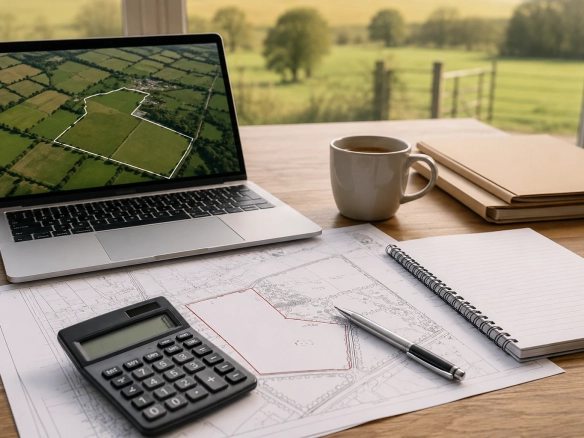
Buyers should be able to clearly understand the location and extent of the land being offered for sale. A location plan and clearly marked boundaries can help avoid confusion and give potential purchasers a better understanding of the opportunity.
You should also check the approximate size of the land and make sure that any description accurately reflects what is being offered.
Gather Relevant Documents
Depending on the type of land, useful information may include title documents, plans, planning permissions, planning application details, surveys, access information or other documents relevant to the property.
You do not need to include every document within the public listing, but having important information available can make it easier to respond to serious enquiries.
Be Clear About Planning and Potential
If the land has planning permission, this should be clearly explained along with the type of development that has been approved.
If there is no planning permission, avoid presenting potential development opportunities as though they are guaranteed. Instead, clearly distinguish between confirmed planning permission, planning history and any potential future opportunities that may be subject to further investigation or approval.
Answer the Questions Buyers Are Likely to Ask
Before your land goes on the market, consider the questions you would ask if you were thinking about buying it. These may include questions about access, services, boundaries, planning history, restrictions or the reason the land is being sold.
Preparing this information in advance can help you respond more efficiently when enquiries begin and give serious buyers greater confidence in the information provided.
If you are preparing your own marketing, our guide on how to list your land for sale explains more about creating a clear and effective land listing.
Choose the Right Asking Price
Choosing the right asking price is an important part of achieving the best possible result when selling land. It can be tempting to simply set the highest price you think a buyer might pay, but an unrealistic asking price can sometimes discourage enquiries and reduce interest.
At the same time, pricing the land too low could mean attracting interest quickly but potentially missing the opportunity to achieve a better price.
Price Should Reflect the Land and the Market
The asking price should take account of the land’s location, size, characteristics, planning position and likely buyer demand.
Comparing the land with other properties can sometimes be useful, but it is important to remember that land is often more difficult to compare directly than houses. Two apparently similar parcels can have very different values because of differences in access, planning, location or potential use.
Consider the Marketing Strategy
The right pricing strategy may also depend on how you intend to market the land. Some sellers choose a fixed asking price, while others may use a guide price or invite offers.
The most suitable approach will depend on the type of land, the likely level of buyer interest and how confident you are about its value.
In some circumstances, using an online land valuation or seeking professional advice can provide a useful starting point before deciding how to position the land in the market.
Leave Room for Buyer Interest
A realistic and well-considered asking price can encourage more potential buyers to engage with the opportunity. This may be particularly important where there are several possible buyers, as greater interest can create a stronger position when offers are received.
The aim should not simply be to choose the highest figure, but to use a pricing strategy that gives the land the best opportunity to attract serious buyers and achieve the strongest possible outcome.
Reach the Right Buyers
To achieve the best possible price for your land, it is important to reach the right potential buyers. A large number of views or enquiries does not necessarily lead to a better result if the people viewing the land are not genuinely interested in buying it.
Different types of land can appeal to very different audiences. Understanding who is most likely to be interested can help you decide how and where to market your land.
Think About Who Might See the Most Value
Depending on the type and location of your land, potential buyers could include neighbouring property owners, farmers, equestrian buyers, self-builders, investors, developers or businesses.
For example, land adjoining an existing property may be particularly attractive to a neighbour who wants additional garden space, privacy or room for future use. A building plot may appeal to self-builders or small developers, while agricultural or equestrian land may attract a completely different audience.
Thinking about who is most likely to benefit from owning the land can help you focus your marketing more effectively.
Use the Right Marketing Channels
Where you advertise your land can influence the type of buyer you reach. Some buyers may find land through specialist property websites, while others may search online, respond to local advertising or hear about opportunities through professional contacts.
Using more than one appropriate marketing channel can help increase exposure, but the aim should be to reach relevant potential purchasers rather than simply generating as many enquiries as possible.
Our guide on how to find a buyer for your land explains more about the different ways you can reach potential purchasers.
Make It Easy for Buyers to Find and Understand Your Land
Once a potential buyer finds your listing, they should be able to quickly understand what is being offered and why it may be of interest to them.
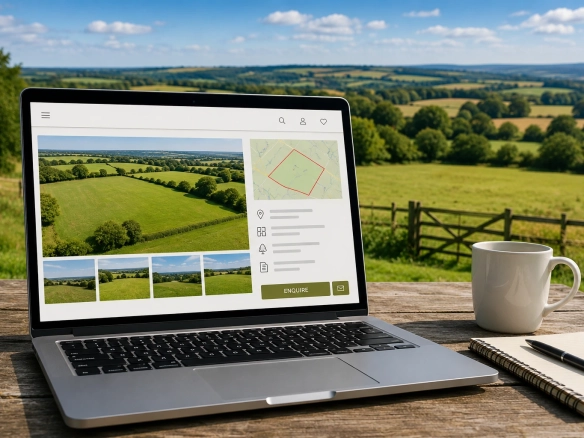
A clear description, accurate location information, good photographs, plans and relevant supporting documents can all help serious buyers assess the opportunity and decide whether to make an enquiry.
The easier it is for the right buyer to understand the land, the more likely they are to take the next step and engage with the opportunity.
Create Competition Between Potential Buyers
Creating interest from more than one potential buyer can help you achieve a stronger outcome when selling land. If you are relying on a single interested party, you may have less flexibility during negotiations and fewer options if that buyer decides not to proceed.
By contrast, effective marketing can sometimes attract interest from several suitable buyers, giving you the opportunity to compare offers and decide which represents the best overall deal.
Give Buyers a Reason to Act
When buyers know that a property is being actively marketed and other parties may also be interested, they may be more likely to make a serious offer rather than delaying their decision.
This does not mean creating artificial pressure or misleading buyers about the level of interest. However, genuine competition can help encourage serious purchasers to put forward their best offer.
Compare Offers Carefully
If you receive more than one offer, avoid focusing solely on the headline price. Consider the full terms being proposed and the likelihood of each buyer being able to complete the purchase.
Factors such as the buyer’s financial position, whether they require funding, any conditions attached to the offer and the proposed timescale can all affect the strength of an offer.
Keep Your Options Open
One of the advantages of marketing land to a wider audience is that you are not dependent on a single potential buyer. If one negotiation does not progress, there may be other interested parties to consider.
For this reason, it can be worth allowing sufficient time for the land to be properly marketed before making a decision, particularly where there is the potential to attract different types of buyers.
The aim is not simply to receive the largest possible number of enquiries, but to create genuine interest among buyers who understand the opportunity and are in a position to proceed.
Consider More Than Just the Highest Offer
When you receive an offer for your land, it can be tempting to focus entirely on the price being offered. However, the highest offer is not always necessarily the strongest or most attractive offer overall.
The terms attached to an offer and the buyer’s ability to complete the purchase can be just as important as the headline figure.
How Certain Is the Buyer?
Consider whether the buyer is in a strong position to proceed. For example, do they have the funds available, or are they dependent on securing finance or selling another property before they can complete the purchase?
A slightly lower offer from a buyer who is ready and able to proceed may sometimes be more attractive than a higher offer from a buyer whose ability to complete is uncertain.
Are There Conditions Attached to the Offer?
Buyers may make offers subject to certain conditions. These could include obtaining planning permission, carrying out surveys, securing finance or resolving access and legal issues.
It is important to understand exactly what conditions are attached and how they could affect the likelihood and timing of a successful sale.
Consider the Proposed Timescale
The time a buyer expects to take to complete the purchase may also be important. A quick and straightforward transaction may be preferable if you want certainty or need to release funds within a particular period.
Alternatively, you may be prepared to accept a longer timescale if the price and terms justify waiting.
Look at the Overall Deal
Before accepting an offer, consider the complete package rather than simply comparing the headline prices.
The buyer’s financial position, any conditions attached to the offer, the proposed completion timescale and the level of certainty can all affect the value of the deal in practical terms.
Taking the time to compare offers properly can help you choose the option that gives you the best overall outcome, rather than simply accepting the highest number.
Timing Your Sale
Deciding when to put your land on the market can be an important consideration, but there is rarely a perfect time that guarantees you will achieve a higher price. Buyer demand can vary depending on the type of land, its location and wider market conditions.
Consider the Type of Land You Are Selling
Different types of land may attract interest at different times of the year. For example, agricultural and equestrian buyers may be influenced by seasonal factors, while demand for building plots or development land may depend more heavily on local market conditions and the availability of suitable opportunities.
It can therefore be useful to consider who your likely buyers are and whether there are particular times when they may be more actively looking.
Do Not Rush to Market Before You Are Ready
Putting land on the market before you have prepared the key information can sometimes make it more difficult to generate strong initial interest.
Before launching your marketing, make sure you have a clear description of the land, accurate plans and the key information that potential buyers are likely to request. This can help you respond quickly when enquiries begin and avoid losing momentum while searching for documents.
Allow Enough Time for Marketing
Finding the right buyer for land can take time. Unlike a typical house sale, the number of potential buyers may be relatively limited, particularly where the land has a specialist use or appeal.
Giving your marketing sufficient time to reach the right audience can be important. If the land is withdrawn or the price is reduced too quickly because of a lack of immediate interest, you may not give all potential buyers an opportunity to consider it.
Be Ready to Respond to Interest
When the right buyer does make an enquiry, being prepared to respond promptly can help maintain their interest.
Having relevant information, plans and documents ready before marketing begins can make the process more efficient and help serious buyers move from an initial enquiry to making an offer.
The best time to sell is often when your land is properly prepared, you understand the likely market and you are ready to respond to genuine buyer interest.
Common Mistakes That Can Affect the Price You Achieve
Getting the best price for your land is not always about doing something complicated. In many cases, avoiding a few common mistakes can help you attract stronger interest and put yourself in a better position when offers are received.
Setting an Unrealistic Asking Price
It can be tempting to start with the highest possible asking price, particularly if you believe your land has significant potential. However, pricing that does not reflect the land, its planning position or likely buyer demand may discourage serious enquiries.
A well-considered pricing strategy can be more effective than simply choosing the highest figure.
Not Reaching the Right Buyers
Even an attractive piece of land may struggle to achieve its best price if the people most likely to value it never see the opportunity.
Think about who may be interested in buying the land and use appropriate marketing channels to reach them. Depending on the property, this could include neighbours, farmers, equestrian buyers, self-builders, investors or developers.
Poor Presentation or Missing Information
Unclear descriptions, poor-quality photographs, inaccurate plans or missing information can make it more difficult for potential buyers to understand what is being offered.
A clear listing with useful information can help serious buyers assess the opportunity and may reduce unnecessary questions or delays during the early stages of the sale.
Overstating Development Potential
Potential development opportunities can be an important part of a land sale, but it is important to clearly distinguish between existing planning permission, planning history and possibilities that have not yet been confirmed.
Overstating what may be possible can lead to unrealistic expectations and may create problems later if buyers discover that the position is different from what they understood.
Accepting the First Offer Too Quickly
Receiving an offer can be encouraging, particularly if the land has only recently been placed on the market. However, accepting the first offer immediately may mean you have not given the marketing sufficient time to reach other potential buyers.
Where appropriate, allowing time for genuine interest to develop can give you more options and help you compare different offers.
Focusing Only on the Highest Price
As discussed earlier, the highest offer is not always the strongest offer. The buyer’s financial position, conditions attached to the offer and proposed timescale can all affect the likelihood of a successful sale.
Looking at the complete terms of each offer can help you choose the option that provides the best overall outcome.
By preparing your land properly, understanding its likely value, reaching the right buyers and considering offers carefully, you can put yourself in a stronger position to achieve the best possible price.
Frequently Asked Questions
How can I get the best price for my land?
To give yourself the best chance of achieving a strong price, it is important to understand what your land may be worth, identify its strongest selling points, prepare the right information and make sure it reaches suitable buyers. Generating interest from more than one potential buyer can also put you in a stronger negotiating position.
Should I accept the first offer for my land?
Not necessarily. The first offer may be a good offer, but accepting immediately could mean you do not give other potential buyers enough time to consider the opportunity. Where appropriate, allowing the land to be properly marketed may give you more options and enable you to compare offers.
Is the highest offer always the best offer?
No. The highest offer may not always provide the best overall outcome. You should also consider the buyer’s financial position, any conditions attached to the offer and how quickly they are able to complete the purchase.
Should I get a valuation before selling my land?
Understanding the likely value of your land can provide a useful starting point when deciding how to market it and what asking price to use. The value may depend on factors including location, size, access, planning permission, potential use and buyer demand.
You can find out more about what your land could be worth before deciding how to price and market it.
How do I know what asking price to set for my land?
Your asking price should reflect the characteristics of the land, its location, planning position and likely buyer demand. Land can be difficult to compare directly, as two apparently similar sites may have very different values depending on access, potential use and other factors.
How can I attract more buyers for my land?
A clear and accurate listing, good photographs, plans and relevant supporting information can help buyers understand the opportunity. Using appropriate marketing channels and thinking carefully about who may be interested in buying the land can also help you reach a wider and more relevant audience.
Does planning permission increase the value of land?
Planning permission can increase the value of land because it provides greater certainty about what can be developed. However, the amount of value added will depend on the type of permission, the location, development costs, market conditions and other factors affecting the site.
Can marketing my land to more buyers help me get a better price?
Potentially, yes. Reaching more suitable buyers can create genuine competition and give you more than one offer to consider. This can strengthen your negotiating position and help you compare both the price and terms being offered.
Ready to Get Your Land in Front of the Right Buyers?
Create a listing for your land and start reaching potential buyers. You can create your own listing or let us help prepare it for you.
Get Your Land Listed →