
 by
by 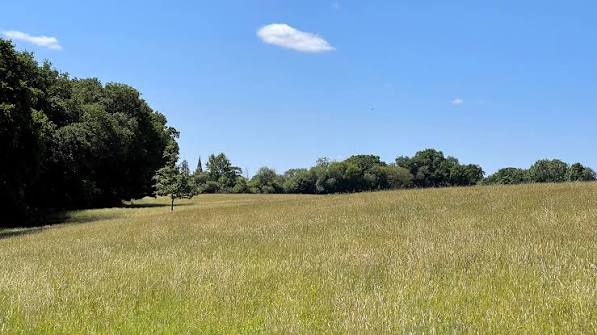
Looking for grazing land for sale? Whether you need land for horses, sheep, cattle or other livestock, finding the right parcel involves more than simply finding land at the right price.
Location, acreage, access, fencing, water, land quality, drainage, planning restrictions and the legal position can all affect whether a parcel is suitable for grazing.
Where can I find grazing land for sale?
Grazing land for sale can be found through specialist land agents, agricultural agents, property and land portals, auctions, local agents and direct sales by landowners.
You can also register your requirements with Your Landstore. Tell us where you are looking, the type and amount of land you need and other requirements that matter to you. We can then consider those requirements when suitable land comes to market.
What is grazing land?
Grazing land is land that can be used for animals to graze vegetation. It can include permanent grassland, pasture, paddocks and other agricultural parcels, depending on the land and its permitted use.
It may be used for horses, cattle, sheep, goats or other livestock. Some buyers may also be looking for grazing land as part of a larger agricultural holding or smallholding.
The important point is that not every field or parcel of grassland will necessarily be suitable for the use you have in mind. The condition of the land, access, water, fencing and any restrictions should all be investigated.
Why are buyers looking for grazing land?
Buyers may be looking for grazing land for a number of reasons, including:
- Grazing horses
- Keeping sheep or cattle
- Expanding an existing farm or agricultural holding
- Creating or expanding a smallholding
- Providing additional grazing for livestock
- Buying a paddock close to an existing property
- Looking for agricultural land as an investment
Your intended use will determine what characteristics you need the land to have.
How much grazing land do I need?
There is no single acreage requirement that applies to every grazing situation.
The amount of land required depends on factors including the animals being kept, stocking levels, soil and grass quality, drainage, management and whether supplementary feed will be required.
For that reason, it is usually better to define your requirements around the animals and intended use rather than assuming that a particular acreage will automatically be sufficient.
Consider your practical requirements
Before searching, think about how many animals you intend to keep, the type of animals, how the land will be accessed and whether you need facilities such as water, fencing, shelter or a stable.
Where to search for grazing land for sale
Specialist agricultural and land agents
Agricultural and rural land agents are an important source of land for sale. They may market agricultural parcels, paddocks, pasture, farms and other rural opportunities.
If you are looking in a particular county or region, it can be useful to identify agents who regularly deal with agricultural land in that area.
Online property and land portals
Online portals can make it easier to search across a wider geographical area.
Bear in mind that grazing land can be advertised under different descriptions. Listings may refer to pasture, agricultural land, paddocks, fields, equestrian land or simply land for sale.
Searching using several relevant terms can therefore produce a wider range of opportunities.
Land auctions
Some agricultural parcels and smaller pieces of land are offered through auctions.
If you are considering an auction purchase, carry out your due diligence before bidding. Review the legal pack, title, access arrangements, restrictions and any other relevant information, and make sure you understand the auction conditions.
Local opportunities
Smaller parcels of grazing land can sometimes be marketed locally rather than through the major property portals.
Local agents, agricultural networks and landowners may therefore be useful sources if you are looking for land within a relatively small geographical area.
What should I check before buying grazing land?
Once you find a potential parcel, there are several practical and legal matters worth investigating.
1. Access to the land
Consider how you will get to the land and how livestock, vehicles and equipment will be moved in and out.
Do not assume that a visible track or gateway automatically gives you the legal rights you need. Check the title and any rights of way or access rights affecting the land.
2. Water supply
Reliable access to water can be an important consideration when buying grazing land.
Establish whether there is an existing water supply and, if not, what options may be available. The practical and legal position should be checked before relying on a particular water source.
3. Fencing and boundaries
Check the condition of existing fencing, gates and boundaries.
If fencing needs to be installed or replaced, include the likely cost when assessing the overall purchase.
Also establish the legal boundaries of the land rather than relying solely on physical fences, hedges or other features on the ground.
4. Condition of the land
Inspect the land carefully.
Look at the condition of the grass, drainage, ground conditions, slopes, gateways and any areas that may become difficult to access during wet weather.
The suitability of a parcel can vary significantly even between neighbouring fields.
5. Planning and permitted use
Consider what you intend to do with the land and whether planning permission or other consents could be required.
Grazing land is not automatically available for every agricultural, equestrian, residential or commercial use simply because animals can graze on it.
If you want to construct buildings, create a permanent equestrian facility, change the use of the land or carry out other development, investigate the relevant planning position before purchase.
6. Covenants and restrictions
Check the title for covenants, restrictions, rights and other matters that could affect how the land can be used.
A small parcel may appear straightforward but have restrictions that significantly affect its usefulness.
7. Neighbouring land and surroundings
Consider what surrounds the grazing land.
Nearby roads, housing, commercial uses, public rights of way and neighbouring agricultural operations may all affect how practical the land is for your intended use.
Is grazing land suitable for horses?
Some grazing land can be suitable for horses, but suitability should be assessed on the individual property.
Horse owners may have additional requirements relating to fencing, access, water, shelter, hardstanding, storage and facilities.
If you are specifically looking for land for horses, our guide How Much Land Do I Need for Horses? provides further information on the factors to consider.
You can also see our guide to equestrian land if your search involves more than basic grazing.
Can grazing land be used for a smallholding?
Grazing land may form part of a smallholding, but the suitability of the land depends on what you want the smallholding to include.
You may need additional land or facilities for buildings, access, storage, livestock management and other activities. Planning considerations can also become more important if you intend to introduce buildings or change the use of the land.
For buyers specifically looking for a smallholding, it can therefore be useful to search for both smallholdings and suitable agricultural or grazing land.
How much does grazing land cost?
There is no single price for grazing land across the UK.
Values can vary according to location, acreage, land quality, access, water, fencing, surrounding uses, agricultural characteristics and local demand.
A small parcel close to a settlement or existing property can have a very different value from a larger agricultural field in a more remote location.
It is therefore important to compare properties on their individual characteristics rather than relying solely on a price per acre.
Price per acre is only part of the picture
When comparing grazing land, consider what you are actually getting for the price. Access, water, fencing, location, land quality and restrictions can all affect the practical value of a parcel.
How to make your grazing land search more specific
Before you start searching, write down the requirements that are important to you.
- Location: the county, town or area you want to be near
- Size: your minimum and maximum acreage
- Animals: horses, cattle, sheep or another intended use
- Budget: your maximum purchase price
- Access: the type of access you need for vehicles and livestock
- Water: whether an existing supply is essential
- Fencing: whether you require land that is already enclosed
- Planning: whether you need buildings, equestrian facilities or other development
Having these requirements clear can make it much easier to decide which opportunities are worth investigating further.
Can Your Landstore help me find grazing land?
Yes. If you are looking for grazing land for sale, you can register your requirements with Your Landstore for free.
Tell us where you want to buy, the type and size of land you are looking for, your budget and any other requirements that matter to you.
We can then consider your requirements when suitable land comes to market through Your Landstore. Where there is a suitable match, you can receive an email alert from the day the relevant land is listed.
Looking for grazing land?
Tell us where you want to buy and what you need, and we’ll use your requirements when considering suitable land opportunities.
TELL US WHAT YOU’RE LOOKING FOR →Frequently asked questions
Where can I find grazing land for sale in the UK?
Grazing land can be found through agricultural agents, specialist land agents, property portals, auctions, local agents and direct landowner sales. You can also register your requirements with Your Landstore.
How much grazing land do I need?
There is no single acreage that applies to every buyer. The amount required depends on the animals, stocking levels, land quality, management and whether supplementary feed will be used.
Can I buy grazing land for horses?
Yes, but the suitability of the individual parcel should be checked. Horse owners may also need suitable fencing, water, access and potentially additional facilities.
Can grazing land be used for livestock?
Land suitable for grazing may be used for livestock, but you should establish the agricultural and legal position of the individual parcel and consider its condition, access, water and fencing.
Does grazing land need planning permission?
Basic grazing use is different from development or a change of use involving buildings or other facilities. If you intend to develop the land or change its use, the relevant planning position should be investigated.
Can I register a search for grazing land with Your Landstore?
Yes. Buyer registration is free. You can provide your preferred location, land type, size, budget and other requirements so your search can be considered against suitable land opportunities.


