by
by 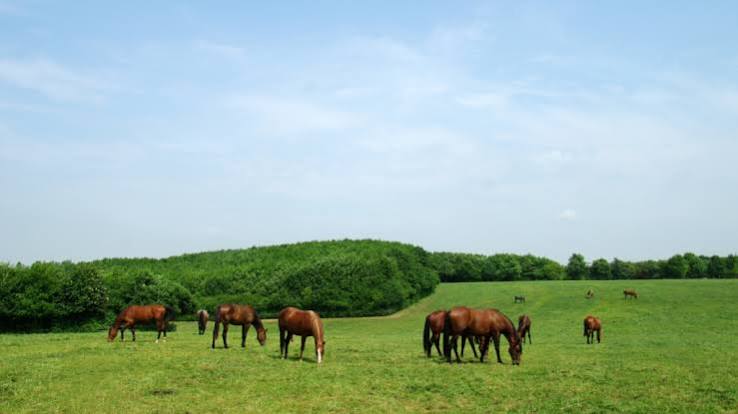
How much land do I need for horses? There is no single acreage that works for every horse or every property. The amount of land you need depends on the number of horses, land quality, grazing conditions, management system, access to forage and whether the land also needs to accommodate facilities such as stables, turnout areas, tracks or exercise space.
If you are looking to buy land for horses, acreage is only one part of the decision. A smaller parcel of good-quality, well-managed land may work differently from a larger parcel with poor drainage, limited grazing or difficult access.
The key is to consider how the land will actually be used, rather than choosing a property based solely on the number of acres.
How Much Land Do Horses Need?
There is no universal acreage requirement for horses. The appropriate amount of land varies according to the circumstances.
Factors that can affect the amount of land required include:
- Number of horses
- Size and type of horses
- Quality of the grazing
- Soil and drainage
- Seasonal grass growth
- Grazing management
- Whether supplementary feed is provided
- Whether horses are turned out continuously or for limited periods
- Whether land needs to provide winter turnout
- Whether you need separate paddocks for rotation
- Space required for other equestrian facilities
For these reasons, acreage should be considered alongside the quality and practical usability of the land.
Does One Horse Need a Certain Number of Acres?
You will often see general rules suggesting a particular number of acres per horse. These can be useful as a starting point, but they should not be treated as a universal formula.
The carrying capacity of land can vary significantly. Good-quality pasture with effective grazing management may perform very differently from poor, wet or heavily compacted ground.
Your management system also matters. If horses are only turned out for part of the day, or if hay and other forage are routinely provided, the grazing requirement can be different from a system relying heavily on pasture.
When comparing land for horses, look at grazing quality, drainage, fencing, water, access and how the available acreage can be divided and managed. A property’s usable acreage can matter more than its headline acreage.
How Many Horses Are You Planning to Keep?
The number of horses you intend to keep is one of the first things to establish before searching for land.
For example, the requirements for one horse can be very different from those for a larger group. You may also need separate areas for:
- Grazing
- Resting pasture
- Winter turnout
- Quarantine
- Introducing new horses
- Managing individual dietary requirements
- Separating horses where necessary
Having several paddocks can therefore be more useful than having one large field that cannot be managed effectively.
Does the Quality of the Land Matter?
Yes. Land quality can make a significant difference to how useful a parcel is for horses.
When viewing potential equestrian land, consider:
Grass Quality
Look at the condition and density of the grass and consider whether it appears capable of supporting the intended use.
Soil
Soil type and condition can affect grass growth, drainage and how the land performs during different seasons.
Drainage
Wet or poorly drained ground can become difficult to manage, particularly during winter.
Topography
Sloping or uneven land may be suitable for some uses but less practical for others. The layout of the land should be considered as well as the total acreage.
Ground Condition
Repeated use by horses can result in poaching and damage to heavily trafficked areas, particularly during wet periods. Think about whether the land can cope with the intended level of use.
How Much Grazing Land Do Horses Need?
Grazing requirements depend on the horses and how the land is managed.
Some owners may use a rotational grazing system, dividing available pasture into several areas and moving horses between them. This can help manage grazing pressure and give sections of pasture time to recover.
Other systems may use restricted turnout or supplementary forage, which changes how much pasture is required.
The important point is that acreage should be considered as part of a wider management plan rather than in isolation.
Should You Buy One Large Field or Several Smaller Paddocks?
There can be advantages to having several paddocks rather than one large field.
Separate areas can allow you to:
- Rotate grazing
- Rest pasture
- Separate horses
- Manage grazing pressure
- Provide different turnout arrangements
- Protect areas during wet weather
A large field can still be suitable, particularly if it can be divided effectively, but the physical layout of the property should be considered when comparing opportunities.
What Facilities Do You Need on the Land?
If you are buying land for horses, think about the facilities you need before deciding how much land to buy.
Depending on your circumstances, you may want:
- Stables
- Field shelters
- Hardstanding
- Hay or feed storage
- Tack storage
- Horsebox access
- Trailer parking
- Exercise areas
- A menage or arena
- Washing areas
Not all of these facilities will automatically be permitted. If you intend to install buildings, shelters, arenas or other structures, check the planning position before buying.
What About Fencing?
Good fencing is an important practical consideration when buying land for horses.
Inspect the existing fencing and establish:
- Its condition
- Its height and construction
- Whether it is suitable for your horses
- Where the gates are located
- Whether internal paddocks can be created
- Who is responsible for boundary maintenance
If fencing needs replacing or additional internal divisions are required, include the cost in your overall budget.
Do Horses Need Water in the Field?
A reliable water supply is an important consideration when buying land for horses.
Check whether there is:
- A mains water connection
- An existing trough system
- A suitable alternative water supply
- Access to water throughout the areas where horses will be kept
Do not assume that a stream, pond or other water feature is automatically suitable for providing drinking water. The quality, reliability and legal position of any water supply should be investigated.
What Access Do You Need for Horse Land?
Access can be just as important as acreage.
Think about how you will transport horses, feed, bedding, equipment and other supplies.
You may need access suitable for:
- A horsebox
- A trailer
- Delivery vehicles
- Tractors
- Maintenance equipment
Check both the physical access and the legal right to use it. A track may appear suitable when viewed from the road but may have limitations further along its route.
Do You Need Planning Permission for Horse Facilities?
Planning requirements depend on what you want to install and how the land is being used.
Stables, arenas, permanent shelters, hardstanding and other structures can raise planning questions depending on their circumstances.
If you are buying land specifically because you want to create an equestrian facility, investigate the planning position before committing to the purchase.
Do not assume that because horses can be kept on a piece of land, every associated equestrian facility will automatically be permitted.
What If You Want to Ride on the Land?
Some buyers want land not just for grazing but also for riding.
Consider whether the property itself provides enough suitable space for exercise and whether there are bridleways, tracks or other legal routes nearby.
Check the status of any routes before assuming they can be used for riding. Public rights of way and private access rights can be different.
What Should You Check Before Buying Land for Horses?
Before making an offer, carry out appropriate checks on both the land and the intended use.
Grass quality, soil, drainage, slopes, acreage and ground condition.
Existing boundaries, internal divisions, gates and condition.
Availability, reliability, location and any relevant rights.
Legal rights and physical suitability for horseboxes, trailers and equipment.
Existing use and whether proposed equestrian facilities require permission.
Covenants, easements, rights of way and other restrictions.
How Much Land Do I Need for Horses in Winter?
Winter can place different demands on land from the rest of the year.
Wet conditions can reduce the amount of usable grazing and increase the risk of poaching, particularly around gateways, water points and heavily used areas.
When buying land, consider whether there is enough flexibility to manage horses during periods when the ground cannot be used in the same way as during drier months.
This could mean having several paddocks, suitable turnout areas or an appropriate management system rather than simply relying on total acreage.
Can I Buy a Small Paddock for One Horse?
A small paddock may be suitable in some circumstances, but suitability depends on the land, horse, management system and intended use.
Before buying a small parcel, pay particular attention to:
- Grass quality
- Drainage
- Water
- Fencing
- Access
- Ability to rest the land
- Space for any necessary facilities
- Planning and legal restrictions
A small parcel may appear inexpensive compared with a larger equestrian property, but the cost of installing fencing, water, access or other facilities can change the overall economics.
How Much Does Equestrian Land Cost?
There is no standard price for land suitable for horses.
Value can vary according to:
- Location
- Acreage
- Grazing quality
- Access
- Water
- Fencing
- Existing stables or other facilities
- Planning position
- Privacy and surrounding land uses
Two parcels with the same acreage can therefore have very different values if one has good access, fencing and facilities while the other requires substantial investment.
How to Find Land for Horses
If you know how many horses you want to keep and what facilities you require, you can make your search much more specific.
Consider defining:
- Your preferred location
- Minimum and maximum acreage
- Number of horses
- Grazing requirements
- Water requirements
- Fencing requirements
- Access requirements
- Whether stables are essential
- Whether an arena is required
- Your budget
You can then search for land that matches those requirements rather than simply looking for properties described as equestrian.
Tell Us What Land You’re Looking For
If you are searching for land for horses, you can tell Your Landstore what you are looking for.
You can specify your preferred location and land requirements so that your search is recorded in our buyer database.
Where there is a suitable match, you can receive an email alert from the day the land is listed, giving you the opportunity to consider it early.
Explore Equestrian Land for Sale
If you are specifically looking for horse land, you can explore our equestrian land category for current opportunities.
You may also find relevant opportunities within pasture land, smallholdings and other rural property categories.
Frequently Asked Questions
How much land do I need for horses?
There is no universal acreage requirement. The amount of land needed depends on the number of horses, grazing quality, land management, drainage, supplementary feeding and whether the property needs to accommodate other equestrian facilities.
Can one horse live on one acre?
Acreage alone does not determine whether land is suitable for a horse. Grazing quality, management, drainage, turnout arrangements, supplementary forage and the condition of the ground all need to be considered.
Do horses need grass all year?
Horse management varies, and grazing availability can change significantly throughout the year. Winter conditions can reduce the amount of usable pasture, so buyers should consider how the land will be managed during wetter periods.
What should I look for when buying land for horses?
Consider grazing quality, drainage, fencing, water, access, acreage, ground condition, planning, title restrictions and whether the land can accommodate any facilities you require.
Can I build stables on land I buy for horses?
Not automatically. Whether stables or other equestrian structures can be installed depends on the circumstances and planning position of the site. Check the planning requirements before buying if facilities are essential to your plans.
Can I register my requirements for land for horses?
Yes. You can register your land requirements with Your Landstore, including your preferred location and requirements. Where there is a suitable match, you can receive an email alert when relevant land is listed.
Looking for Land for Horses?
Tell us how much land you are looking for, where you want to buy and the requirements that matter to you.
TELL US WHAT LAND YOU’RE LOOKING FOR →Free to register · Takes about 2 minutes · No obligation