
 by
by 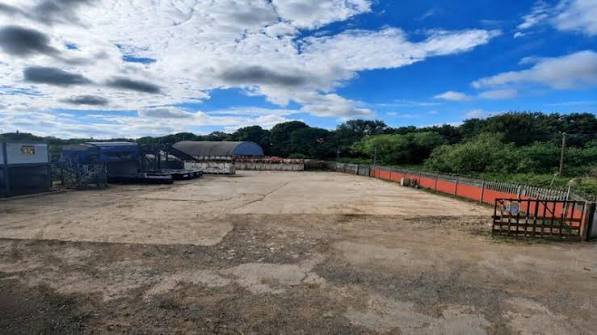
If you want to buy land for storage business, a commercial yard or similar use, the right site needs to work both operationally and from a planning perspective. A piece of land may appear inexpensive or conveniently located, but access, planning, security, drainage, utilities and neighbouring uses can all affect whether it is suitable.
The best approach is to establish what you need the site to do before you start comparing individual plots.
What should you check before buying land for a storage business?
Before buying land for storage, check the planning position, location, vehicle access, site size, utilities, drainage, security, neighbouring uses and any restrictions affecting the land. You should also establish whether the proposed commercial use is already lawful or whether planning permission or a change of use may be required.
The cost of preparing the land for business use should also be considered alongside the purchase price.
1. Decide what type of storage business you want to operate
Start by defining exactly how you intend to use the site.
“Storage” can cover a wide range of businesses, from open storage and commercial yards to container storage, vehicle storage, building-material storage and more enclosed forms of storage.
Think about:
- What will actually be stored on the site?
- How much land do you need?
- Will storage be outside, inside or a combination of both?
- How many customers or vehicles will visit the site?
- Will heavy goods vehicles need access?
- Will staff be based at the site?
- Will customers need access outside normal working hours?
- Will you need buildings, containers, hardstanding or covered storage?
The answers will help determine what type of land you should be looking for.
2. Check the planning position
Planning should be one of the first investigations when considering land for a commercial yard or storage business.
Do not assume that land can be used for commercial storage simply because it is accessible or has previously been used for another purpose.
Investigate:
- The existing lawful use of the land
- Previous planning applications
- Existing planning permissions
- Relevant local planning policies
- Whether a change of use may be required
- Whether new buildings, hardstanding, fencing or other works would require consent
If planning permission is likely to be needed, consider obtaining professional planning advice before committing to the purchase.
Cheap land is not necessarily suitable commercial land
A low-priced site can become expensive if significant planning, access, drainage, hardstanding, security or infrastructure work is required before the business can operate.
3. Choose the right location
Location can be particularly important for a commercial storage business.
If customers or commercial vehicles will regularly visit the site, convenient access to the road network may be more important than simply finding the cheapest available land.
Consider:
- Proximity to major roads
- Travel times for customers
- Access to nearby towns and commercial areas
- Local industrial and employment areas
- Surrounding businesses
- Nearby residential properties
- Potential noise and vehicle movements
A site in the right general area may also have greater commercial potential than an isolated site that is difficult for customers or delivery vehicles to reach.
4. Assess vehicle access
Access can make or break the suitability of a commercial yard.
Think about the largest vehicle that will need to enter the site and whether the existing access is appropriate.
Check:
- The width of the entrance
- Visibility when entering and leaving
- The condition of the access road
- Turning space within the site
- Whether articulated or other large vehicles need access
- Whether the access crosses third-party land
- Any rights of way or easements
- Whether access improvements may be necessary
Legal access should be checked as part of your due diligence rather than assumed from the way the site is currently accessed.
5. Work out how much land you actually need
Buying more land than you need can tie up capital, while buying too little can restrict the growth of the business.
Calculate the space required for the actual storage operation as well as the areas needed for:
- Vehicle circulation
- Customer parking
- Loading and unloading
- Access routes
- Buildings or containers
- Security fencing
- Drainage
- Landscaping and screening
- Future expansion
It can be useful to think in terms of the usable area rather than simply the total acreage of a site.
6. Check whether the land needs hardstanding
Many commercial yards and storage operations require a durable surface capable of handling vehicles, equipment or stored goods.
If the land is currently grassed or agricultural, investigate what work would be required to create the appropriate surface.
Potential costs can include ground preparation, surfacing, drainage, kerbing and associated works.
You should also establish whether the proposed works would themselves require planning permission or other approval.
7. Consider security
Security is an important consideration where valuable goods, vehicles, equipment or customer possessions are stored.
Depending on the business, you may need to consider:
- Perimeter fencing
- Secure gates
- Lighting
- CCTV
- Controlled access
- On-site security measures
- Visibility from surrounding roads or properties
Consider the cost of these measures when assessing the overall investment required.
8. Check utilities and services
The level of servicing you need will depend on the type of business.
A basic open storage yard may have different requirements from a site with offices, staff facilities, workshops or customer buildings.
Check the availability and cost of:
- Electricity
- Water
- Drainage
- Wastewater arrangements
- Internet and telecommunications
If mains services are not available, establish what alternative arrangements could be used and what they may cost.
9. Investigate drainage and flood risk
Drainage is particularly important if you intend to create extensive areas of hardstanding.
Before buying, investigate the site’s existing drainage characteristics and any relevant flood-risk information.
Consider how surface water would be managed following changes to the site, particularly where additional hard surfaces are proposed.
Drainage requirements can have a significant effect on both design and development costs.
10. Consider neighbouring businesses and properties
Look beyond the site boundary before buying.
A commercial yard may generate vehicle movements, deliveries, lighting or noise. These factors can become important where residential properties are close by.
At the same time, surrounding businesses may make a site more commercially attractive if they generate potential demand for storage, yards or related services.
Consider both the opportunities and potential conflicts created by the surrounding land uses.
11. Check the title and restrictions
The physical suitability of the land is only part of the investigation.
Review the title and other relevant documents to establish whether there are restrictions that could affect your proposed use.
Depending on the site, this may include:
- Restrictive covenants
- Rights of way
- Rights benefiting neighbouring land
- Access arrangements
- Drainage or service rights
- Existing leases or occupational arrangements
Professional legal advice should be obtained where necessary.
12. Look at the surrounding commercial market
Before buying land for a storage business, investigate the local market.
Look at existing storage facilities and commercial yards in the area and consider what they offer.
Questions to consider include:
- Who are the likely customers?
- What types of storage are already available?
- Is there demand for additional capacity?
- What locations do competing businesses use?
- What access and facilities do competing sites provide?
- Could your proposed site offer something different?
Land is only the starting point. The underlying business case needs to work as well.
13. Calculate the total cost of the opportunity
When comparing sites, look beyond the purchase price.
Think about the complete investment
Land purchase + planning + professional fees + access + hardstanding + drainage + utilities + buildings + security + ongoing operating costs
This gives you a more realistic basis for deciding whether a particular site works for your business.
A site that costs more to buy may sometimes require less preparation, while a cheaper site may require substantial investment before it becomes operational.
Where can you find land for a storage business?
Potential opportunities can include commercial land, yards, agricultural land with potential for an alternative use, former commercial sites and other land with appropriate access and location characteristics.
You should not necessarily limit your search to listings specifically described as “storage land”. The suitability of the underlying site may be more important than the wording of the listing.
You can browse land for sale across the UK and register your requirements if you are looking for a particular type of commercial opportunity.
If you are looking to buy land for storage business, we can consider your requirements when suitable land comes to market.
Tell Your Landstore what you are looking for
If you have a specific requirement for a commercial yard or storage site, you can tell us what land you’re looking for.
Give us your preferred location, land type and other requirements so that your search can be considered when suitable land comes to market.
Where there is a suitable match, you can receive an email alert from the day the land is listed.
Looking for land for a storage business?
Tell us what you’re looking for, including your preferred location and requirements, and we’ll consider your search when suitable land comes to market.
TELL US WHAT LAND YOU’RE LOOKING FOR →Frequently Asked Questions
Can I buy agricultural land for a storage business?
It may be possible, but you should not assume that agricultural land can automatically be used for commercial storage. The proposed use may require planning permission or a change of use, depending on the circumstances. The planning position should be investigated before buying.
What type of land is suitable for a storage business?
Suitable land depends on the proposed operation, but important factors can include location, access, site size, planning, hardstanding, drainage, utilities and security. The requirements of a light storage operation may be very different from those of a busy commercial yard.
How much land do I need for a storage business?
There is no single acreage requirement. It depends on what you intend to store, the number of customers, vehicle movements, access arrangements, buildings, circulation space and future expansion. Work out your operational requirements before deciding how much land to buy.
Does commercial storage require planning permission?
The planning position depends on the existing use of the land and the proposed storage operation. A change of use or development may require planning permission. Site-specific planning advice should be obtained where necessary.
How do I find land for a commercial yard?
You can search current land listings, but registering your requirements can also help you identify opportunities when suitable land comes to market. Register your land search with Your Landstore to tell us what you are looking for.


