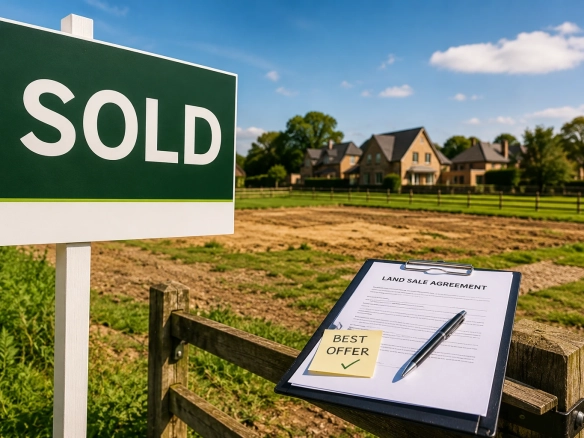
by
by 
Selling land is very different from selling a house. Whether you own agricultural land, woodland, a building plot or development land, understanding how the process works can help you achieve the best possible price while avoiding common mistakes. This guide explains everything landowners need to know before bringing land to market.
Introduction
Selling land can be one of the most significant financial decisions you’ll ever make.
Unlike residential property, there is rarely a simple valuation or obvious buyer.
The value of land depends on factors such as planning permission, location, access, future development potential and the type of buyer interested in purchasing it.
For this reason, the way your land is marketed is just as important as the land itself.
If you’re still unsure what your land might be worth, our guide How Much Is My Land Worth? explains the main factors that influence land values across the UK. There is no single way to sell land. Depending on the type of land and your objectives, you may choose to sell privately, use a land agent, market the land online, approach potential buyers directly or use a combination of different marketing methods.
How Do I Sell My Land?
There are several ways to sell land in the UK. You can sell privately, appoint a specialist land agent, advertise your land online, approach potential buyers directly or use a combination of these methods.
The best way to sell your land depends on the type of land you own, its location, planning status, development potential and the type of buyer you are trying to attract.
For many landowners, the key is not simply finding one buyer, but marketing the land to the right audience and creating competition between potential buyers.
Related Guides to Selling Your Land
If you’re considering selling your land, our detailed guides can help you understand the different aspects of the selling process:
- How Do I Get the Best Price for My Land?
- Should I Use a Land Agent or Sell Privately?
- How Much Does It Cost to Sell Land?
- Selling Land Online
- How Do I Find a Buyer for My Land?
- How Do I List My Land For Sale?
If you’re ready to sell, you can list your land on Your Landstore yourself or ask us to create the listing for you.
What Could Your Land Be Worth?
Every piece of land is different. Location, existing use, planning history, access and potential all influence what a buyer may be prepared to pay.
If you’re wondering what your land could be worth, tell us a little about your property and we’ll provide our initial opinion of its potential market value.
Find Out What Your Land Could Be WorthNo upfront fee • No obligation to sell
Step 1 – Understand What Type of Land You Own
Before marketing your property, it’s important to understand exactly what you’re selling.
Different buyers look for different opportunities.
Your land may fall into one of the following categories:
- Agricultural land
- Building plots
- Residential development land
- Strategic development land
- Woodland
- Equestrian land
- Smallholdings
- Amenity land
- Commercial development land
Each attracts different buyers and is valued differently. Understanding exactly what you are selling is an important first step because it can influence who may be interested in buying the land, how it should be marketed and the options available to you.
Step 2 – Understand What Your Land Is Worth
Many landowners immediately ask:
“How much is my land worth?”
Unfortunately, there isn’t a fixed price list.
Value depends on:
- Planning permission
- Access
- Location
- Utilities
- Buyer demand
- Future development potential
- Local property values
Professional advice before marketing can often prevent expensive mistakes.
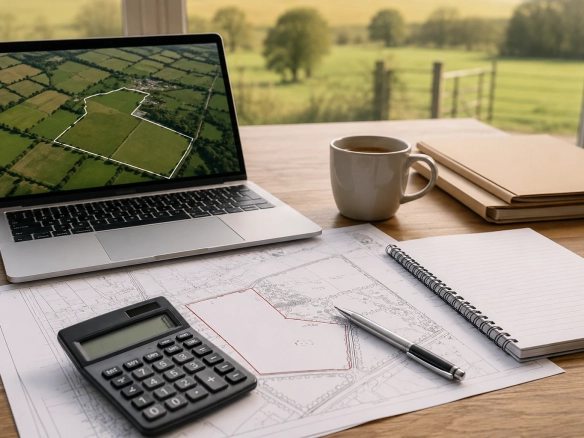
Selling land can have Capital Gains Tax implications depending on your personal circumstances, how long you have owned the land and whether you are a private individual or company. We strongly recommend taking advice from a qualified tax adviser before completing any land sale. Tax rules change regularly and professional advice can help you structure your sale in the most tax-efficient way. The value of land can vary significantly depending on its location, size, access, planning status and potential future use. Before deciding how to market your land, it is worth understanding what may influence its value.
Step 3 – Decide Who Your Ideal Buyer Is
One mistake many landowners make is assuming there’s only one buyer.
In reality, your land may appeal to:
- Farmers
- Self-build buyers
- Regional developers
- National housebuilders
- Investors
- Woodland buyers
- Equestrian purchasers
- Neighbouring landowners
Different buyers often value the same land differently.
For example, a self-builder may be prepared to pay more than a developer because they’re buying a lifestyle rather than seeking a commercial profit.
This is why exposing your land to the widest appropriate audience is so important. The most suitable buyer will depend on the type of land you are selling. For example, development land may attract developers or land promoters, while a building plot could appeal to a self-builder or local builder. Agricultural, equestrian and commercial land may each attract different types of buyers.
Identifying the right audience before marketing your land can help you choose the most effective way to promote it.
Step 4 – Prepare Your Land for Sale
Before marketing begins, gather as much information as possible.
Buyers will usually ask about:
- Title plans
- Boundaries
- Rights of way
- Easements
- Planning history
- Utility connections
- Access arrangements
- Environmental designations
Having this information ready creates confidence and often speeds up the sale.
Land sales typically take longer than residential property sales. A straightforward sale of agricultural land or a building plot with planning permission might complete in 8-16 weeks from offer to completion. More complex transactions involving conditional contracts, overage agreements or disputed boundaries can take considerably longer. Setting realistic expectations at the outset helps avoid frustration later. For a more detailed breakdown see our guide How Long Does It Take to Sell Land →
Preparing the information about your land is different from actually marketing or listing it for sale. Before your land is advertised, you should make sure the key information is available and presented clearly to potential buyers.
Step 5: Consider Tax Before You Sell
Consider the Tax Implications
Selling land can have tax implications, depending on your individual circumstances and the type of land being sold. For example, Capital Gains Tax may be payable on any profit made from the sale.
Tax treatment can vary depending on factors such as how you acquired the land, how long you have owned it and how it has been used. It is therefore sensible to take advice from a suitably qualified accountant or tax adviser before completing a sale.
Step 6– Market Your Land Properly
Once you have prepared the information about your land, the next step is deciding how and where to market it. The most effective approach will depend on the type of land, its potential and the buyers you are trying to reach. Simply placing a listing online is rarely enough.
Professional marketing should include:
- High-quality photography
- Drone imagery (where appropriate)
- Accurate mapping
- Planning information
- Detailed descriptions
- National advertising
- Social media promotion
- Exposure to specialist buyer databases
Land can be marketed in several ways, including selling privately, using a land or property agent, advertising online, approaching potential buyers directly or using specialist land marketing platforms. The aim is to generate competition rather than relying on a single buyer.
At YourLandStore we market your land on our specialist platform, and across social media — reaching developers, investors, farmers, self-build buyers and private purchasers across the UK. Every listing is reviewed before going live to ensure it presents your land in the best possible light. See how you can advertise your land and get it in front of more potential buyers →
Finding the Right Buyer
Different types of land can appeal to very different buyers. A development opportunity may be of interest to housebuilders, developers or land promoters, while a single building plot may appeal to a self-builder or local builder. Agricultural and equestrian land may have a completely different target market.
Understanding who is most likely to buy your land can help determine where and how it should be marketed. In some cases, the best approach may be to target a specific group of potential buyers rather than relying solely on general advertising.
Ready to get started?
List your land in minutes — or send us your details and we’ll create your listing for you.
Create your listing →Contact usStep 7 – Receive and Negotiate Offers
The highest offer is not always the best offer.
Consider:
- Buyer’s financial position
- Timescale
- Conditions attached
- Chain status
- Planning conditions
- Overage clauses
- Option agreements
Sometimes a slightly lower unconditional offer may represent the better overall outcome.
“The legal process for selling land typically takes 8 to 16 weeks from offer to completion for straightforward transactions, though complex sales can take considerably longer.
Your solicitor will need to see:
- Your Land Registry title documents
- Planning history for the land
- Any rights of way or easement documentation
- Tenancy agreements if the land is let
- Environmental searches and surveys if available
- Any existing planning agreements such as Section 106 agreements
Having these documents ready before an offer is received can significantly speed up the process and reduce the risk of buyers losing patience and withdrawing.
We recommend instructing a solicitor with specific experience in land transactions — land sales involve different legal considerations to residential property conveyancing.”
The highest offer is not always necessarily the best offer. The terms attached to an offer, whether the buyer requires planning permission, their ability to proceed and the likely timescale can all be just as important as the headline price.
Creating interest from more than one potential buyer may also give you a stronger negotiating position.
Step 8 – Instruct Solicitors
Once terms are agreed, both parties appoint solicitors.
The legal process usually includes:
- Contract preparation
- Title investigation
- Property searches
- Enquiries
- Exchange
- Completion
Having documents prepared early can significantly reduce delays.
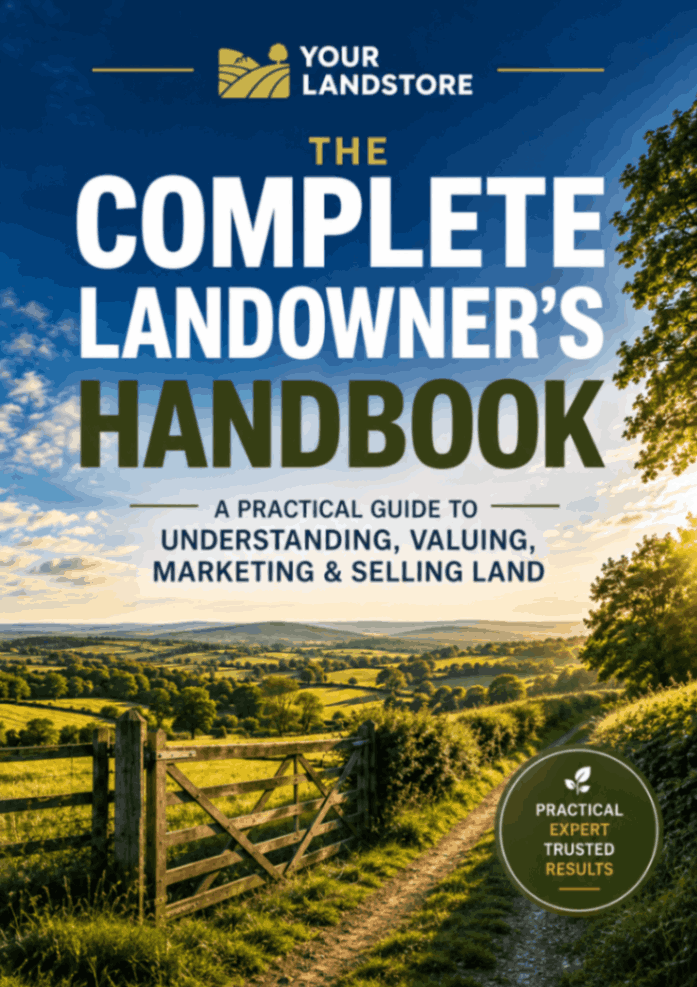
FREE LANDOWNER’S HANDBOOK
Need Help Deciding How to Sell Your Land?
Not sure where to start? Our free Landowner’s Handbook provides practical guidance on understanding, valuing, marketing and selling land, helping you make more informed decisions about your options.
Get Your Free Handbook →Common Mistakes When Selling Land
Many landowners unintentionally reduce the value of their land by:
- Marketing to too few buyers.
- Accepting the first offer.
- Underestimating development potential.
- Overpricing.
- Poor presentation.
- Missing legal documents.
- Ignoring planning opportunities.
Understanding your land before marketing usually leads to better results. read the 15 most common mistakes article when selling land.
Why Choose Your Landstore?
At Your Landstore, we specialise exclusively in land.
Whether you’re selling a single building plot or a larger development site, we market land to a wide audience including developers, self-build buyers, investors, farmers and specialist purchasers across the UK.
Our transparent 1% No Sale, No Fee service means you only pay when your land successfully sells.
Sell Agricultural Land
Sell Building Plots
Sell Development Land
Sell Woodland
Sell Smallholdings
Final Thoughts
Every parcel of land is different.
The best results are usually achieved by understanding its true potential, identifying the right buyers and creating competition through professional marketing.
Whether you’re selling agricultural land, woodland, a building plot or a major development opportunity, careful preparation before marketing can make a significant difference to the final sale price.
If you’re considering selling, we’d be happy to have a no-obligation discussion about your land and the options available.
Sell your land with YourLandStore
1% fee on successful sale only. No upfront costs. No site visits. UK-wide exposure on Zoopla and social media.
List your land →How it worksFrequently Asked Questions
Do I need planning permission before selling land?
No. Land without planning permission can still have considerable value depending on its location and future potential.
How long does it take to sell land?
As a general guide:
- Simple field or paddock sale — 8 to 16 weeks from offer to completion
- Building plot with planning — 12 to 20 weeks
- Agricultural land — 10 to 20 weeks
- Development site — 16 to 52 weeks depending on complexity
- Strategic land with conditional contracts — can take several years
Having your legal documents in order before marketing begins is the single biggest factor in reducing timescales. Read our full guide on how long it takes to sell land →
Can I sell land directly to a developer?
Yes, although it’s often worth exposing your land to multiple buyer types before accepting an offer.
Can I Sell My Land to a Developer?
Is it better to sell privately or through a specialist land agent?
A specialist land agent can provide wider marketing, access to relevant buyers and experience in negotiating land transactions, which may help maximise the final sale price.
How do I know what my land is worth?
The best starting point is understanding your land’s characteristics, planning status and market appeal.How Much Is My Land Worth?
Not sure whether to sell or explore development potential first?
Before you sell it’s worth understanding whether your land could be worth significantly more with planning permission. Our sister company Revive Estates offers free land assessments across the UK.
Get a free land assessment →